The BlackRidge Methodology

We don’t start with a course. We start with the transition.

Leadership development becomes more useful when we first understand what the leader, or the organization, is preparing for. We frame the transition, establish the development starting point, build the right development around it, support application in the workplace, and measure what changes. One methodology. Two paths. Built around the responsibility ahead.

Home / Methodology
Where We Start

Start with the situation, not the solution

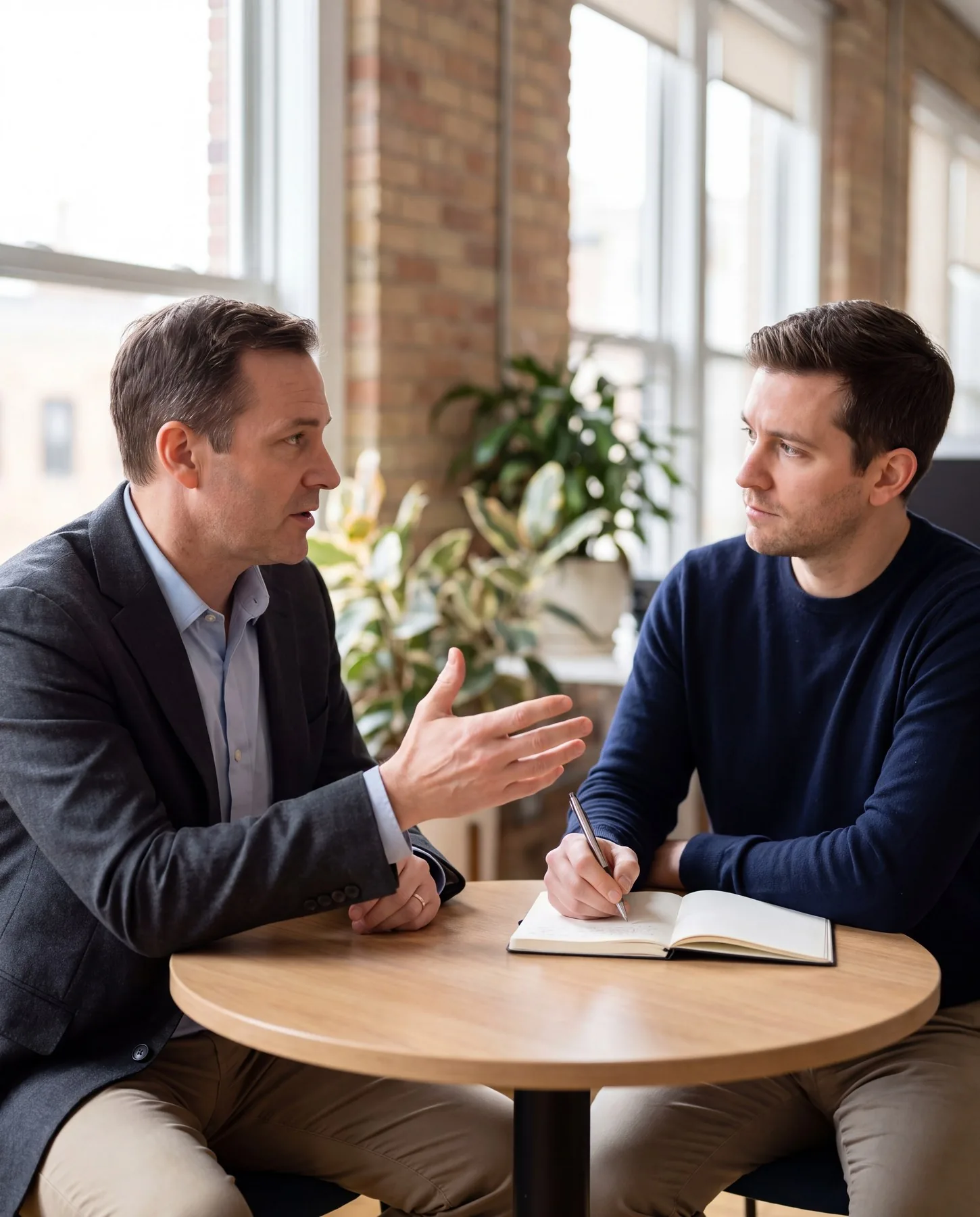
The Insight Brief is a free, one-hour conversation for organizations. You bring whoever owns the problem, usually an HR or talent leader with the manager whose team is affected. We ask what is changing, who is moving into new responsibility, and what has already been tried.

You leave with a written view of where development would actually help and what a first engagement could look like. There is no cost, no proposal attached, and no obligation to buy anything.

Looking for a seat for yourself rather than a program for your people? See upcoming dates.

Schedule an Insight Brief
What we ask about:
  • Who is stepping into new responsibility?
  • What transition are they making?
  • How many leaders are involved?
  • What is the organization trying to strengthen?
  • Is the need individual, cohort-based, or organization-wide?
  • What development is already in place?
  • What would useful evidence of progress look like?

The Insight Brief determines the right next step. It may lead to an individual transition program. It may lead to diagnostic work with a cohort. Or it may reveal a broader organizational need that calls for the LRCI and a development strategy built around the findings.

One Methodology

Two paths

Both begin the same way: understand the transition before prescribing the development. What changes is the scope of the question.

01
Insight BriefWhat is changing, and for whom?
02
FrameName the transition.
03
The pathWhich question are we answering?
We recommend the path based on the transition, the population, and what the organization needs to understand, not on headcount.

A ten-person executive team can be an organization-level question. A company of two thousand may only need to develop five new managers.

Every engagement begins with an Insight Brief

A focused conversation about what is changing, what you are trying to build, and how we can help. It is how we tell the difference.

Schedule your Insight Brief
The Two Diagnostics

Know where development should begin

Neither one asks whether someone is a good leader. Both ask what the next responsibility requires, and where development would do the most.

Leader level

Leadership Readiness Diagnostic

Understand one leader against the transition ahead.

The question it answers
What does this next responsibility ask of this leader?
What it looks at
Developmental capacity, the demands of the named transition, and the conditions the leader is returning to.
What you get
A development starting point and the few priorities worth working on first.
Ask about the LRD →
Organization level

Leadership Readiness Conditions Index

See readiness across a leadership population.

The question it answers
What does this organization need to build, and where?
What it looks at
Patterns across leadership capability, developmental demand, and the organizational conditions leadership has to work inside.
What you get
Where development should concentrate, and the evidence to design the curriculum around.
Ask about the LRCI →
Three colleagues working through printed pages laid out in sequence
The Development Method

Each stage produces something the next stage uses

Framing decides what the development is for. Diagnosis decides where it points. Development and enablement decide whether it holds once the leader is back at work. Measurement decides what anyone can say about it afterward, and what the next cycle should frame.

That is what makes it a process rather than a sequence of events.

The Five Stages

Development is a loop, not an event

Read left to right. The last stage feeds the first, what changed becomes what we frame next.

01

Frame

What transition are we preparing for?

Understand the transition.

Before development begins, define what is changing. What responsibility is moving? What does the next role require? The objective is to establish the developmental context before deciding what to teach.

The principleDiagnosis is not the first step. Understanding is.
02

Diagnose

Where are we starting?

Establish the development starting point.

Understand what the leader or the organization already brings, and where focused development may have the greatest value. At the individual level that may mean the Leadership Readiness Diagnostic. At the organization level, the Leadership Readiness Conditions Index.

The principleDiagnosis is not about labeling leaders. It is about knowing where development should begin.
03

Develop

What development does the transition require?

Build for the responsibility ahead.

Development is designed around the demands of the transition. For some clients that means an established BlackRidge transition program. For others, diagnostic evidence supports a curriculum built around the organization’s own developmental priorities.

The principleThe role defines the development.
04

Enable

What will help it take hold?

Help development survive the workplace.

Managers, expectations, systems, opportunities to practice, feedback, workload and culture all influence whether new leadership behavior takes hold. So the question is not only what leaders need inside the room, but what they need around them.

The principleDevelopment has to work where leadership actually happens.
05

Measure

What changed?

Know what changed.

Development should produce more than participation. We look for evidence of what is strengthening, what is being applied, and what still requires attention, and what that means for what comes next.

The principleEvidence beats attendance.
Measure returns to Frame
What Usually Gets Measured

Most programs can tell you people were happy. Very few can tell you anything changed

Evidence beats attendance.

Ask most providers how a program performed and you will get a satisfaction score and a completion rate. Both are real numbers. Neither answers the question a sponsor actually has, which is whether the manager is doing anything differently three months later.

That is not because the harder measurement is impossible. It is because it has to be planned before the program starts and followed through after it ends, and most programs are designed to finish on the last day.

01Did they enjoy it?A satisfaction score. Known the same afternoon, and unrelated to whether anything changes.
02Did they learn it?A knowledge check. Shows the content landed, not that it survived contact with the job.
03Are they leading differently?Behavior change in the actual role, observed over the weeks after the program. The one sponsors care about, and the one most programs never plan for.
04Did the work change with them?What happened in the team, the decisions, and the conditions around the leader once the behavior held.
Where most programs stop BlackRidge defines this evidence before development begins, the only point at which these two are still answerable
From Evidence To Plan

Diagnosis should lead somewhere

We use the evidence to build the development strategy.

An organizational diagnostic is not the final product. It creates the evidence we use with a client to decide what development should follow. Findings may show where transitions require attention, which capabilities deserve emphasis, and what should be measured afterward.

Programs And Custom Work

Built programs when the transition is known. Custom development when the need is broader.

Standardized where the transition is common. Customized where the evidence says it should be.

Our transition programs are built around recurring changes in leadership responsibility. They provide a tested developmental foundation for leaders moving through SHIFT, ARENA, ASCENT and EDGE.

Organizations with broader or more specific needs may require something different. Where diagnostic evidence reveals a distinct organizational pattern, we tailor the curriculum, the emphasis, the developmental methods and the reinforcement around those findings. That can include:

Common Questions

Questions people ask

How does BlackRidge develop leaders?

Through five connected stages. Frame the transition to establish what the role requires. Diagnose what the leader brings to it and where they will be stretched. Develop focused practice on the priorities that matter. Enable the workplace conditions that let new practice hold. Measure what changed and what comes next.

Why does leadership development often fail to stick?

Because development usually ends when the course does, and leaders return to conditions that were never examined. Decision rights, managerial support, room to try things, and how mistakes are treated all decide whether new practice survives. BlackRidge looks at the leader and at the conditions around them.

How is leadership development measured?

Not by attendance or satisfaction. The useful evidence is a clear line from the transition, to the development priorities identified, to the intervention delivered, to what changed in the work afterwards.

Development should fit what comes next

Our specialty is leadership transition.
Our capability is leadership development.The scale can change. The discipline should not.
Start with an Insight Brief